


A practical, step-by-step guide walking families through what to do immediately after a death, from the first hours through funeral planning and the estate tasks that follow.

A practical checklist of essential end-of-life legal, financial, and final wishes documents every family should organize to bring peace of mind.
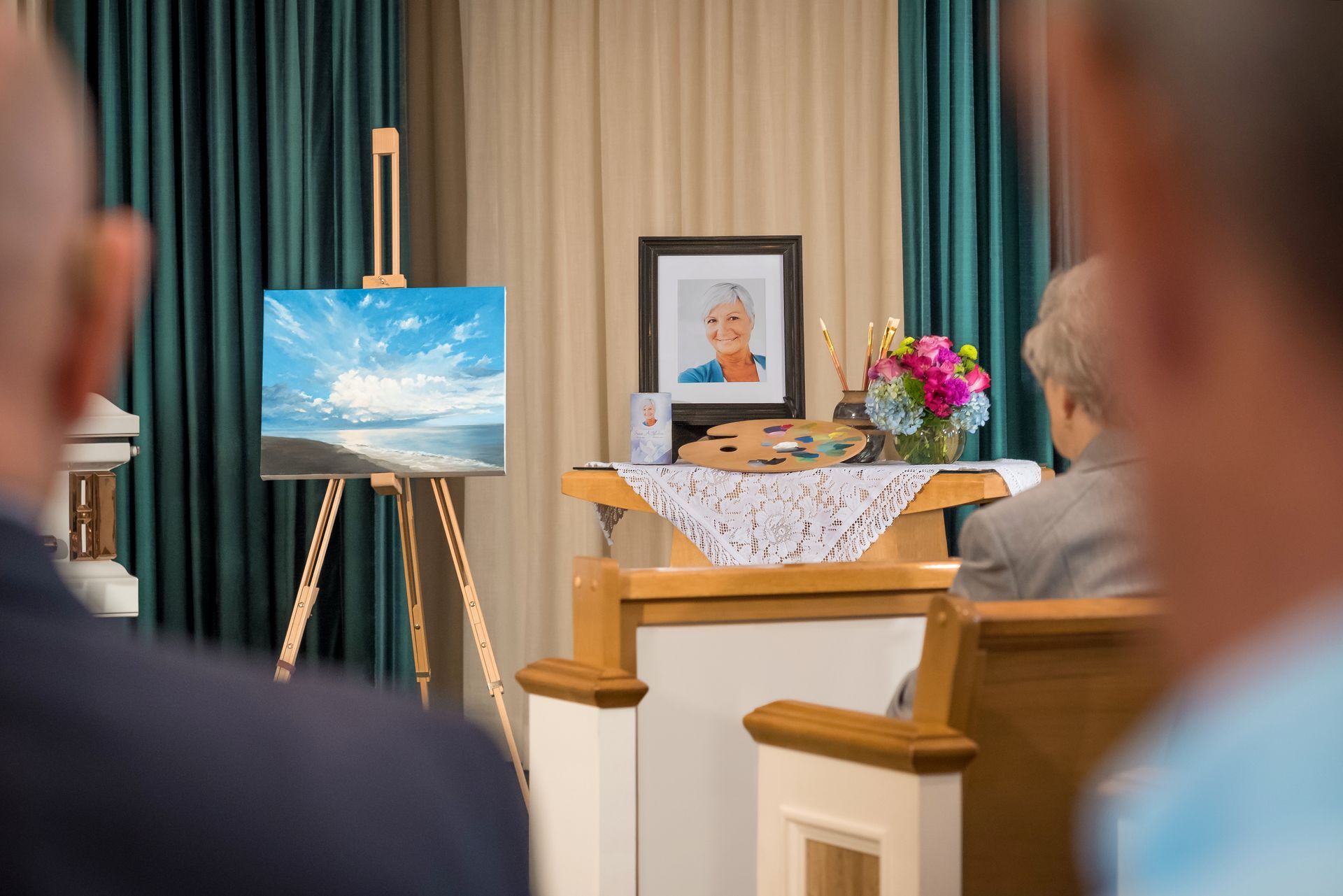
In recent years, the phrase “celebration of life” has become more common when families are planning services for a loved one. While many people have heard the term, there can still be confusion about what it truly means and how it differs from a traditional funeral. At its heart, a celebration of life is not about replacing tradition, but about offering a more flexible, personalized way to honor and remember a life. A celebration of life is a personalized service that focuses on honoring the unique story, personality, and legacy of the individual who has passed. While it can be held in a variety of locations, many families choose to gather in the comfort of a funeral home chapel, where they have both guidance and the ability to customize the experience. These services most often take place after cremation, which allows families more time to plan and create a meaningful tribute. However, every family’s preferences are different, and services can be arranged in whatever way feels most appropriate. No two celebrations of life are exactly the same, because no two lives are the same. One of the most meaningful aspects of a celebration of life is the ability to incorporate personal touches that reflect the life being honored, even within a chapel setting. Families may choose to include themed elements that represent a loved one’s passions, hobbies, or personality. This could be as simple as displaying favorite photos and memorabilia, or as unique as incorporating colors, music, or décor that reflect what they loved most in life. Memory tables, tribute videos, and customized music selections can all be seamlessly incorporated into a chapel service. Some families also invite guests to participate by sharing stories or bringing items that hold special meaning. This blend of personalization within a supportive, structured environment often provides both comfort and creativity during a difficult time. A celebration of life offers families the opportunity to gather in a familiar, supportive setting while creating a service that truly reflects their loved one. By combining the comfort of a chapel with the flexibility of personalization, it becomes a meaningful way to honor a life and share memories with those who matter most. There is no right or wrong way to plan a service. The most important thing is creating a space that feels genuine, supportive, and reflective of the person being remembered.
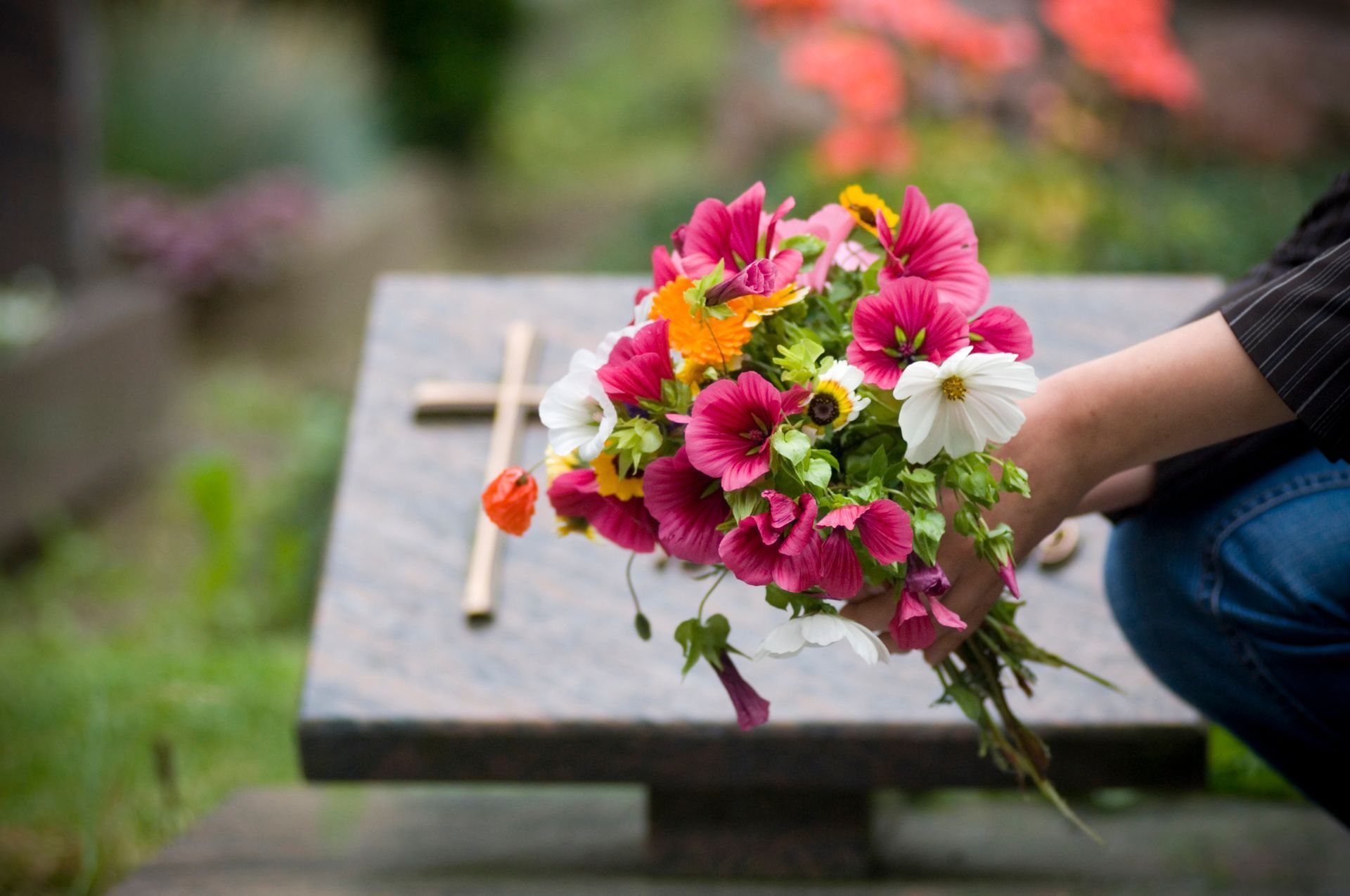
Cremation has become an increasingly popular choice for handling a loved one's remains. Its flexibility, lower cost, and eco-friendly nature appeal to many people. However, deciding on cremation is only the first step. A common question that follows is, "What are the cemetery options for cremated remains?" Whether you're planning ahead for yourself or making arrangements for a loved one, it’s essential to understand the various options available. Here’s a guide to help you explore the different cemetery options for cremation: Columbarium Niches A columbarium is a structure designed to hold urns containing cremated remains. It is often located within cemeteries or churches. These structures typically have designated niches where urns are stored. Families can choose from a variety of niche options, including single, companion (for two urns), or family-sized niches. Why choose this option? Allows family members to visit a specific place. Niches can be personalized with plaques or engravings. A good option for those seeking a permanent, above-ground resting place. Cremation Gardens Many cemeteries now offer dedicated cremation gardens, beautifully landscaped areas where cremated remains can be interred. These gardens often have various options such as individual plots, communal scattering areas, or urn vaults. Why choose this option? These gardens provide a serene and natural setting. Aesthetic appeal for those who prefer being surrounded by nature. Multiple memorialization options available (plaques, markers, etc.). Urn Burial (In-Ground Burial For families who prefer a more traditional approach, cremated remains can be buried in the ground, similar to casket burials. Urn burials usually take place in designated cremation sections of a cemetery, and many cemeteries offer urn vaults to protect the urn. Why choose this option? Allows for a traditional cemetery plot and grave marker. Offers the permanence and tradition of an in-ground burial with a smaller environmental footprint. Family members can easily visit and tend to the gravesite. Scattering Ceremony If your loved one requested their remains be scattered in a specific location, you always have the option to host a scattering ceremony with your loved ones. Why choose this option? Can be of importance to the deceased and become a location you and your family can visit. Very personal experience. Lowest cost option. Cremation offers a wide range of cemetery options that allow families to memorialize their loved ones in a way that feels personal and meaningful. Whether it’s a columbarium niche, a peaceful cremation garden, or an eco-friendly green burial, there are options for every preference and budget. When making this decision, consider what feels most meaningful to you and your family, keeping in mind the lasting tribute you want to leave for future generations.

Attending a funeral or memorial service can stir up many emotions, and for some, one of the first questions that comes to mind is: What should I wear? While traditions around funeral attire have evolved, dressing appropriately remains a way to show respect—for the person who has passed and for their loved ones. Whether the service is formal, casual, religious, or a celebration of life, here are a few thoughtful guidelines to help you choose what to wear. 1. Stick to Neutral, Conservative Colors Black is the traditional color of mourning in many cultures, but it's not your only option. Other respectful colors include navy, gray, deep green, brown, and muted tones. Avoid bright colors, loud patterns, or anything that draws unnecessary attention unless the family has requested otherwise. Tip: Some services may invite guests to wear the deceased’s favorite color or dress casually—check the obituary or invitation for guidance. 2. Dress Modestly and Neatly Funeral services are somber occasions, so choose clothing that is clean, pressed, and conservative: For women, options include a modest dress, blouse with slacks, or a skirt paired with a cardigan or blazer. For men, a dress shirt with slacks, a suit, or a sport coat with a tie is appropriate. 3. Footwear Matters, Too Choose closed-toe shoes that are comfortable, especially if you'll be standing or walking at a graveside service. Simple dress shoes, loafers, or flats work well. Avoid athletic sneakers or flip-flops unless the service is explicitly casual or outdoors. 4. Consider the Location and Weather The setting of the service can influence your outfit: For outdoor or graveside services, wear weather-appropriate clothing and shoes that can handle grass or gravel. Bring an umbrella or coat if needed. Dark outerwear is always a safe choice. In a place of worship, modest attire is often expected regardless of the season. 5. Keep Accessories Simple This is not the time for flashy jewelry or bold accessories. Choose understated items that won’t distract from the purpose of the gathering. 6. What About Children? Children should also be dressed neatly and conservatively. Simple outfits in neutral colors are best. If unsure, dress them as if attending a formal family event or church service. 7. When in Doubt, Dress Up a Bit It’s always better to be slightly overdressed than too casual at a funeral. If you’re unsure about the dress code, err on the side of formality. A respectful appearance helps convey sympathy and support. What you wear to a funeral doesn’t need to be fancy or expensive—but it should reflect care, humility, and consideration. Remember: your presence is what matters most

“We travel, initially, to lose ourselves; and we travel, next to find ourselves.” – Pico Iyer Traveling can provide an insightful perspective into your life, but when you're grieving, that perspective often widens into something much more. Grief can be isolating and lonely. Traveling can serve as a reminder to yourself that there is a whole world out there outside of the walls of your home and familiar places that may remind you of your loss. A vacation may be the last thing on your mind. However, it can aid in your grieving journey by not forgetting that you are grieving but making it easier to remember good times with your loved one. We’ve come up with four ideal vacations to consider to enrich your heart and soul, melt away stress and have a deeply rejuvenating and meaningful adventure. The Cruise Vacation Being away at sea can be healing for grieving on both an emotional and health level. Nothing says adventure like booking a voyage and being whisked away on a ship to forget about real life for a week or so. On a cruise, you’ll be waited on hand and foot and have access to food around the clock, on board entertainment and an environment of elegance and fun. Plenty of sunshine gives your body a Vitamin D dose, which boosts the immune system and offers natural anti-depressants from positive endorphins. Fresh ocean water also produces positive mental function and respiratory health. As a big plus, there are cruise packages for every budget. You can book anything from a quick 3-day cruise to Mexico or the Caribbean, to a 14-day Alaskan or Mediterranean voyage. The Therapeutic Vacation While there is a time for adventure, for some the grieving journey calls for complete relaxation. In this case, an all-inclusive resort package in a tropical location may work wonders. Perhaps a more budget-friendly option is a getaway to a cabin or bed and breakfast? Many people choose to book stays specializing in therapeutic relaxation and spa treatments. All of these are awesome options if you want to lower the cortisol levels in your body and enjoy the soothing relaxation of treating yourself. In the United States, locations like Colorado Springs, Colorado, and Asheville, North Carolina can offer plenty of rest and relaxation. If you’re thinking of adding stamps to your passport, the Icelandic or Irish countryside can rejuvenate you. The Physical Activity Vacation Many people choose to grieve by engulfing themselves into rigorous physical activity. This is a great way to de-stress while improving your health and adding years to your life. Some people might choose vacations with world-class fitness centers or challenges, while others prefer to embark on natural physical challenges including climbs, hikes, and trails. Climbing Japan’s Mt. Fuji not only to physically exert yourself but also to boost your emotional health through confronting and conquering a challenge. You’ll have stories for life when you decide to explore natural rainforests or go kayaking through British Columbia or New Zealand. The Sight-Seeing Vacation Taking in breathtaking monuments, structures or natural wonders do a lot to expand your horizons and touch your emotions. These vacations work to put life and the world into perspective, which is essential in any grief journey. There are countless sights and landmarks to see. A trip to check out the Grand Canyon, Eiffel Tower, New York Skyscrapers, Swiss Alps, Great Wall of China, Pyramids of Africa and the list goes on. You can’t go wrong with any of these vacations. Comb through them to see which touch your heart and fill needs that will help your mental, physical and spiritual health.

Have you ever been caught up in the moment and paid more for something than you planned? We’ve all been there. Maybe it was the new car after you got that promotion, the newly-released cell phone, or the upgraded cable/internet package that they talked you into when you called to cancel your service. When a death occurs, there is often so much to think about and so many decisions to be made, that it can be hard to be sure you are making the right choices. Sometimes this can lead to spending more than you normally would. Planning ahead lets you to calmly and carefully consider all of your choices, selecting only the products and services that you desire. Our experienced staff of preplanning professionals can explain all of your options, so you can make the choices that are right for you and your family. During the preplanning process, you will design the funeral service that you want, and arrange all the details, such as location, minister or celebrant, songs to be played, people to be recognized in your obituary, etc. This will take the burden of decision-making off of your loved ones, and give them peace of mind knowing that the service was exactly what you wanted. We will provide you with a clear, itemized list of services and merchandise, which will serve as a road map for your survivors to follow. You can set aside funds to pay for the arrangements in advance through the purchase of a funeral insurance policy. Life insurance policy funds can also be allocated to pay for funeral expenses, at the discretion of your beneficiary. Planning ahead allows you to fully consider all your choices, and avoid emotional overspending, so if you'd like to learn more, please give us a call.

As we approach Memorial Day, we’re reminded that this day is more than just a long weekend or the unofficial start of summer. It's a solemn occasion—a time to pause, remember, and reflect on the extraordinary sacrifice of the brave men and women who laid down their lives in service to our country. Memorial Day is about honoring those who never came home. It's a day to recognize the weight of freedom—the cost of which has been paid in lives lost on battlefields near and far. From the beaches of Normandy to the deserts of the Middle East, these heroes fought not for recognition, but for a cause greater than themselves: the preservation of liberty and the protection of the values we hold dear. But our reflection doesn’t stop there. While Memorial Day specifically honors the fallen, it's also an opportunity to acknowledge the living veterans and active service members who carry the burden of memory and continue to serve with courage and dedication. Their stories, resilience, and sense of duty remind us what it truly means to serve. This Memorial Day, let’s remember with gratitude, honor with intention, and live in a way that reflects the depth of their gift. To all who have served—and to those we have lost—we remember you. We honor you. We thank you.

Grief is one of the most universal yet deeply personal experiences we go through as human beings. Whether someone is mourning the loss of a loved one, a relationship, a job, or even a long-held dream, the pain can feel isolating and overwhelming. If you’re reading this, chances are you care about someone who is grieving and want to know how to support them in a way that is loving, respectful, and helpful. That’s a beautiful first step. Here’s a guide to approaching these delicate conversations with empathy and grace. 1. Be Present More Than Perfect You don’t need the perfect words. In fact, there aren’t any. Trying to "fix" their grief or offer silver linings can unintentionally minimize their pain. Instead, focus on showing up. Your presence—physically, emotionally, or through a simple message—speaks volumes. Sometimes, "I don’t know what to say, but I’m here for you" is exactly what they need to hear. 2. Avoid Clichés and Platitudes While phrases like "They’re in a better place" or "Everything happens for a reason" may be well-intentioned, they often feel dismissive to someone who is in deep pain. These kinds of statements can imply that they shouldn’t feel as bad as they do, which can create guilt or frustration on top of their grief. Instead, try: “This must be incredibly hard.” “I’m so sorry you’re going through this.” “I’m here with you, no matter what you’re feeling.” 3. Follow Their Lead Grief doesn’t follow a timeline or a template. Some people want to talk about their loved one. Others might not be ready. Some may want a distraction, while others may want to sit in silence. Let them set the pace and the tone. Ask open-ended questions like: “Do you feel like talking about it today?” “Would it help to share some stories, or would you rather sit quietly together?” Respect their boundaries without pulling away. 4. Be Comfortable With Silence Silence can feel awkward, especially when we want to offer comfort. But for someone grieving, the space to simply be—without needing to explain or perform—is a gift. Just sitting with them, holding their hand, or being a quiet presence can provide deep comfort. 5. Offer Specific Help Instead of saying, “Let me know if you need anything,” try to offer something concrete. Grieving people often don’t have the energy or mental clarity to make requests. Try: “Can I bring you dinner on Tuesday?” “Would it help if I took care of [a specific task] for you this week?” “I’m going to the grocery store—what can I pick up for you?” Even small acts of service can be a huge relief. 6. Don’t Rush Their Grief Grief has no deadline. Just because time has passed doesn’t mean the pain is gone. Continue checking in—on anniversaries, holidays, or random days. A quick “Thinking of you today” message can mean the world. Let them feel what they feel, when they feel it. Your steady presence can be a grounding force in a time when everything else feels uncertain. Supporting someone who is grieving isn’t about having the right answers—it’s about showing up with your heart open. Be gentle. Be kind. Be patient. Grief is messy and unpredictable, but knowing they’re not alone makes all the difference. The best thing you can offer isn’t advice—it’s love.

Throughout our lives, we plan for significant events. We plan for retirement to ensure financial security in our later years. We meticulously plan weddings to celebrate love and commitment. We save for education expenses, investing in our children’s futures. And of course, we plan vacations to create lasting memories with those we care about. These plans allow us to live life fully, knowing we’ve prepared for what’s ahead.